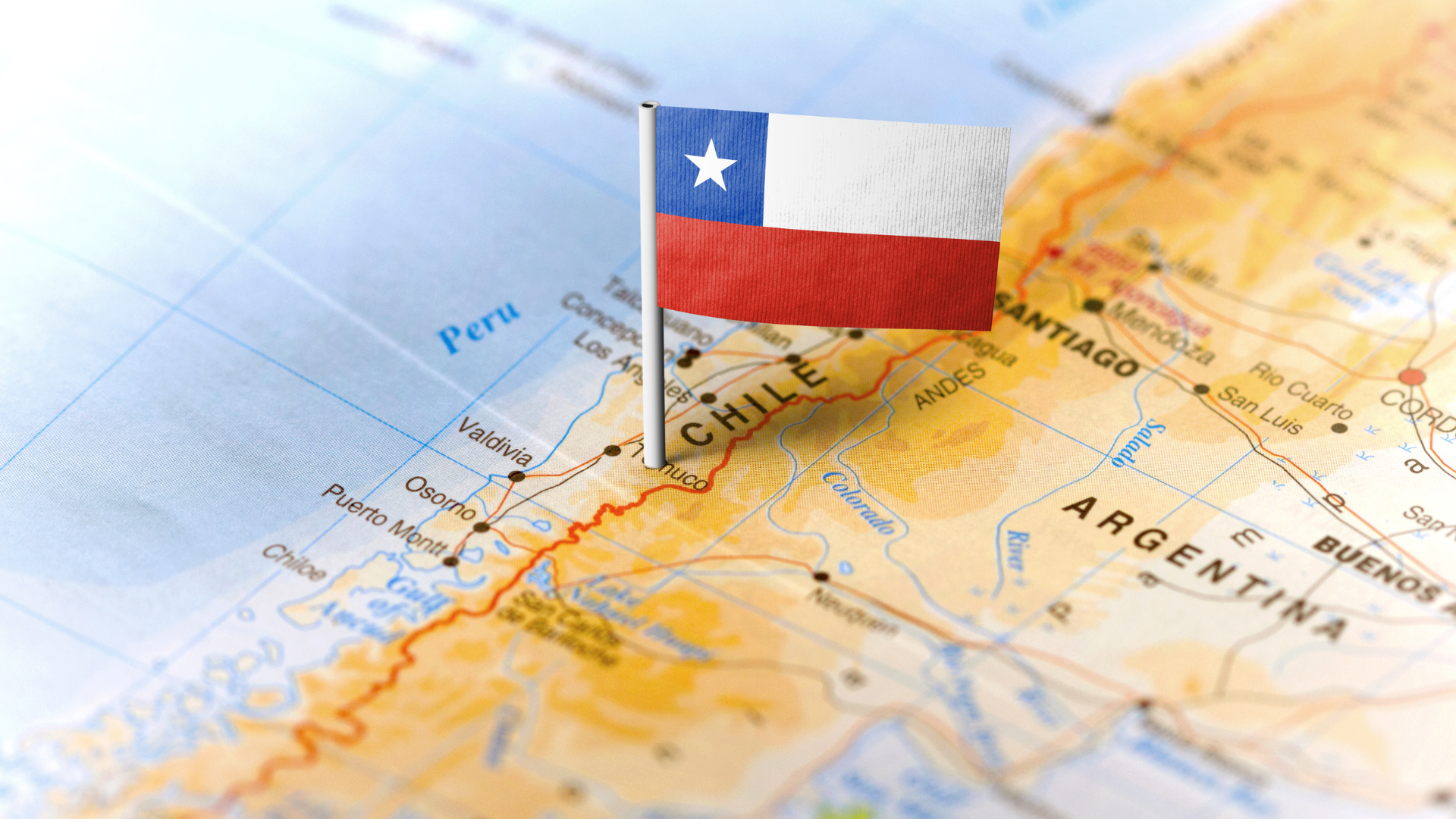
Chile has positioned itself as one of the most attractive destinations in Latin America for international business expansion, thanks to its economic stability, legal certainty, and an increasingly digitalized institutional environment. For foreign companies wishing to operate directly in the country, setting up a subsidiary is an efficient and well-structured way to enter the Chilean market.
Who Can Establish a Subsidiary in Chile?
Chilean law allows both individuals and legal entities, domestic or foreign, to establish companies in the country. In the case of subsidiaries, it is common for the foreign parent company to participate as a partner or shareholder in a Chilean company, provided it complies with the formal requirements established by local regulations.
Registration of the Foreign Partner or Shareholder
The first step to establishing a subsidiary in Chile is obtaining a Chilean Tax Identification Number (Rol Único Tributario – RUT) for the foreign partner or shareholder from the Internal Revenue Service (Servicio de Impuestos Internos). This RUT is for identification purposes only and allows the foreign company to legally participate as a partner or shareholder in a Chilean company. Obtaining it does not imply residence or authorization to operate in the country, but it is an essential requirement to move forward with the incorporation process.
Choosing the Legal Structure of the Subsidiary
A key decision when opening a subsidiary is the choice of the corporate structure. In practice, the establishment of a subsidiary in Chile is usually carried out through the incorporation of a Chilean company owned by the foreign parent company, as this structure allows the assets of the subsidiary to be separated from those of the parent company and limits liability to the contributed capital. Among the available alternatives, the Simplified Stock Corporation (Sociedad por Acciones) has become the most commonly used form due to its flexibility and ease of administration, although other structures may also be considered depending on the size and growth prospects of the business.
Company Incorporation Methods
In Chile, there are two ways to incorporate a company. The traditional method requires the drafting of a public deed, its execution before a notary public, the publication of an excerpt in the Official Gazette, and registration with the Commercial Registry. Although it remains a valid procedure, it involves longer timeframes and greater formalities.
As an alternative, the “Tu Empresa en un Día” system allows the company to be incorporated electronically, obtain a tax identification number (RUT) immediately, and significantly reduce processing times, making it כיום the most widely used option for the creation of subsidiaries. Although this system is broadly used, in certain specific cases the traditional method may be considered depending on the banking or corporate requirements of the business group.
Definition of Corporate Purpose, Capital, and Registered Address
During the incorporation of the subsidiary, essential aspects such as the corporate name, business purpose, capital, and registered address must be defined. The corporate purpose must include activities that are coherent with one another, as it will be reviewed by the Internal Revenue Service. Regarding capital, Chilean regulations do not establish a minimum amount in most cases, although it must be reasonable in relation to the company’s intended activities. Likewise, the subsidiary must have a registered legal address in Chile, duly supported, which will be verified by the tax authority.
Legal Representative in Chile
To operate in the country, the subsidiary must appoint a legal representative who is resident in Chile, either a Chilean national or a foreigner holding valid legal residence. This representative will be responsible for acting before the tax authorities, public bodies, municipalities, and banking institutions, playing a central role in the company’s management and regulatory compliance. The choice of the legal representative is a strategic decision, as it concentrates key responsibilities in tax and administrative matters.
Commencement of Activities and Tax Obligations
Once the company has been incorporated, the legal representative must obtain a Clave Única (Unique Access Code), an advanced electronic signature, and a digital certificate, tools required to carry out procedures with the Internal Revenue Service and issue electronic invoices. Subsequently, the company must file the commencement of activities declaration, a mandatory procedure that authorizes the subsidiary to operate commercially in Chile.
Opening a Bank Account and Operations
Opening a bank account is often one of the most sensitive stages of the process, especially when foreign shareholders are involved. Chilean banks apply strict compliance controls and require a clear corporate structure, identification of the beneficial owner, and complete documentation. Once this stage is completed, the subsidiary can fully begin operations, hire staff, and comply with applicable labor regulations.
Conclusion
The opening of a subsidiary in Chile is a well-structured and increasingly streamlined process for foreign companies that properly plan their entry into the country. The combination of institutional stability, legal certainty, and the digitalization of procedures positions Chile as a strategic platform for business expansion in Latin America.
Having an experienced local partner makes a decisive difference in an international expansion process. Biznelp provides comprehensive support for the establishment of subsidiaries in Chile, ensuring legal certainty, operational efficiency, and a market entry aligned with the objectives of the corporate group.